

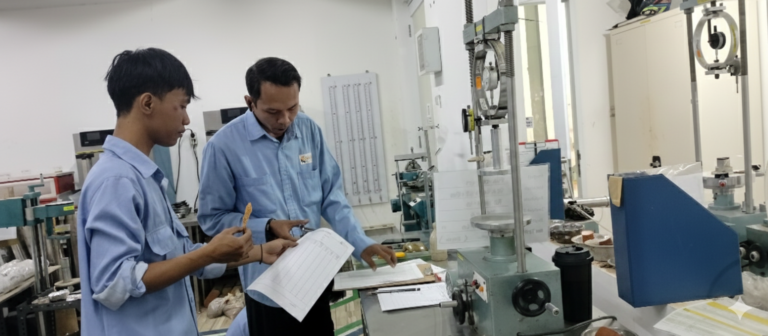
Triaxial Cyclic Test: The Key to Soil Analysis in the Era of Modern Infrastructure
Modern infrastructure requires reliable and resilient ground performance. As projects become more complex and seismic risks increase, advanced laboratory evaluation methods are essential. One of the most valuable procedures in geotechnical engineering is cyclic triaxial testing.
This laboratory method evaluates soil behavior under repeated or dynamic loading. Engineers use it to understand how soil responds to earthquakes, traffic loads, machine vibrations, and offshore wave actions.
In this article, we explain why cyclic triaxial analysis has become a key tool for modern soil investigation.
What Is a Triaxial Cyclic Test?
A triaxial cyclic test is performed on cylindrical soil samples subjected to controlled confining pressure and repeated axial loads. The goal is to simulate field conditions involving cyclic stress.
Unlike static testing, cyclic loading allows engineers to evaluate time-dependent and dynamic responses such as:
Soil stiffness degradation
Pore water pressure buildup
Reduction in shear strength
Liquefaction resistance
Cyclic Resistance Ratio (CRR)
International standards such as ASTM guidelines and frameworks from the American Society for Testing and Materials provide references for laboratory testing procedures.
For seismic design principles, engineers often refer to technical publications from the Federal Emergency Management Agency and global research databases such as ScienceDirect.
These external technical references improve both reliability and compliance in infrastructure projects.
Why Is the Triaxial Cyclic Test Important in Modern Infrastructure?
1. Seismic Risk Mitigation
In earthquake-prone regions, cyclic soil behavior directly influences foundation stability. Laboratory simulation of repeated stress helps engineers evaluate liquefaction susceptibility and deformation potential.
2. Transportation Infrastructure
Railways, highways, and airports generate continuous loading cycles. Dynamic soil testing ensures long-term settlement control and structural integrity.
3. Offshore and Coastal Projects
Ports and reclamation zones require accurate dynamic parameters. Cyclic laboratory data support safer foundation and ground improvement design.
4. High-Rise Developments
Deep foundations supporting tall buildings are sensitive to soil stiffness reduction under repeated loads. Advanced testing enhances performance prediction.
Key Engineering Parameters
Cyclic triaxial analysis provides essential data, including:
Dynamic shear modulus
Damping ratio
Cyclic Stress Ratio (CSR)
Cyclic Resistance Ratio (CRR)
Number of cycles to failure
Excess pore pressure ratio
These parameters are fundamental in seismic response analysis, slope stability modeling, and advanced foundation design.
Testing Procedure Overview
The general process includes:
Soil sample preparation and saturation
Application of confining pressure
Consolidation stage
Controlled cyclic axial loading
Measurement of deformation and pore pressure
Modern laboratories use automated equipment to ensure high accuracy and repeatability.
Benefits of Using the Triaxial Cyclic Test
Using this advanced method provides measurable advantages:
Improved seismic design accuracy
Reduced structural failure risk
Better long-term performance prediction
Support for regulatory compliance
Optimized ground improvement strategies
When dynamic loads are expected, cyclic laboratory evaluation becomes a strategic investment rather than an optional study.
When Should It Be Used?
This testing method is recommended for:
Seismic zone projects
Liquefaction-prone soils
Transportation corridors
Industrial facilities
Offshore foundations
Critical infrastructure systems
Cyclic soil evaluation has become a critical component of modern geotechnical engineering. As infrastructure grows taller, heavier, and more complex, understanding soil behavior under repeated loading is no longer optional.
By incorporating advanced laboratory testing into design workflows, engineers can deliver safer, stronger, and more resilient infrastructure systems.