

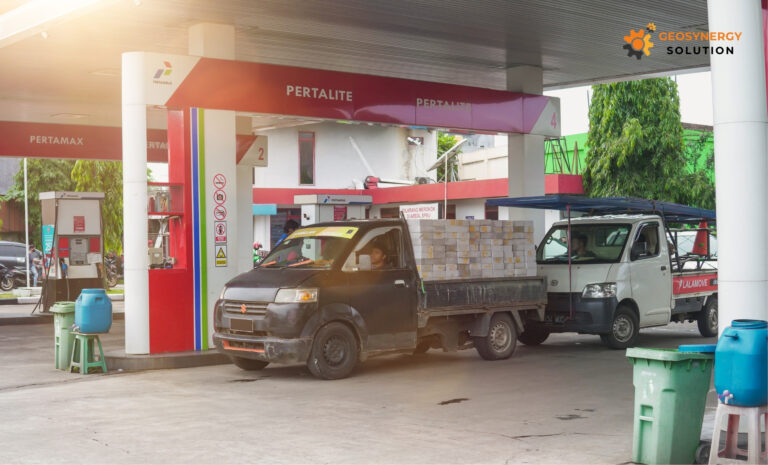
Indonesia Maintains 23 Days of Fuel Reserves in March 2026 Amid Global Oil Uncertainty
Energy security remains a key priority for Indonesia as global oil markets continue to experience volatility. In March 2026, the government confirmed that the country maintains approximately 23 days of national fuel reserves, ensuring stable supply for domestic consumption.
The availability of adequate fuel reserves plays an important role in protecting economic stability, supporting industrial activities, and maintaining transportation systems across the archipelago. In the context of rising global oil prices and geopolitical tensions, maintaining a secure national fuel stock becomes even more critical.
Indonesia’s Fuel Reserve Status in March 2026
According to official reports from Ministry of Energy and Mineral Resources of Indonesia, the country currently holds fuel reserves equivalent to 23 days of national demand.
This reserve level includes strategic and operational fuel stocks managed by Pertamina, the national energy company responsible for fuel distribution and supply chain management.
Maintaining this level of reserves helps Indonesia respond quickly to unexpected supply disruptions, market instability, or logistical challenges.
Why Fuel Reserves Are Important for Energy Security
Fuel reserves act as a strategic buffer that protects a country from sudden changes in global oil supply. For Indonesia, which still imports a portion of its crude oil and refined fuel products, maintaining sufficient reserves is essential.
Key benefits of maintaining adequate fuel reserves include:
Ensuring uninterrupted fuel supply for transportation and industry
Reducing economic impact during global oil price fluctuations
Strengthening national energy security
Supporting emergency response during supply disruptions
According to global energy guidelines from the International Energy Agency, countries are encouraged to maintain strategic fuel reserves to improve resilience against supply shocks.
Global Oil Market Volatility and Its Impact
The global oil market has experienced increased uncertainty due to geopolitical tensions, fluctuating demand, and supply constraints in several major producing regions.
Indonesia, as a growing economy with high energy demand, closely monitors these developments. Stable fuel reserves help mitigate potential risks associated with:
Rising global oil prices
Supply chain disruptions
Changes in international energy trade
Maintaining a strong fuel reserve system allows policymakers to implement energy strategies more effectively while protecting domestic economic stability.
Government Strategy to Strengthen Energy Resilience
The Indonesian government continues to implement several strategies to improve long-term energy security. These initiatives aim to ensure stable fuel availability while reducing dependence on imported energy.
Key strategies include:
Expanding fuel storage infrastructure
Increasing domestic oil and gas exploration
Encouraging renewable energy development
Improving fuel distribution systems across remote regions
These efforts are part of Indonesia’s broader energy transition plan that balances conventional fuel supply with sustainable energy development.
Future Outlook for Indonesia’s Energy Supply
Looking ahead, Indonesia is expected to continue strengthening its national fuel reserve system to support economic growth and infrastructure development.
Energy analysts believe that maintaining adequate fuel stocks will remain essential as global energy markets evolve. Strategic planning, improved storage capacity, and efficient distribution systems will help ensure that Indonesia remains resilient against future energy disruptions.
Indonesia’s ability to maintain 23 days of fuel reserves in March 2026 reflects the government’s commitment to strengthening national energy security. Adequate fuel stock not only supports daily economic activities but also protects the country from potential supply disruptions and global oil market volatility.
By continuing to improve energy infrastructure and strategic planning, Indonesia can enhance long-term resilience while supporting sustainable economic growth.