

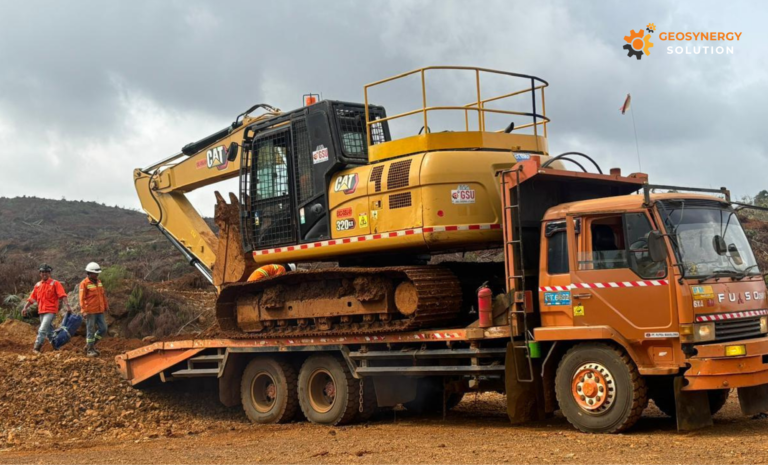
Mobilization and Demobilization of Geotechnical Services for Mining Projects in Sorowako
Mining operations require precision, speed, and strong logistical coordination. In remote mining regions such as Sorowako, mobilization and demobilization of geotechnical equipment and personnel are critical stages of any successful project.
Efficient site mobilization ensures that soil investigation and laboratory testing begin without delay. Proper demobilization, on the other hand, guarantees safety, compliance, and operational closure without risk.
This article explains why professional geotechnical mobilization planning is essential for mining projects in Sorowako.
Why Mobilization Matters in Mining Projects
Before any soil testing begins, the project team must mobilize equipment, laboratory tools, and qualified personnel to the site. Mining areas often involve:
Remote access routes
Heavy equipment transportation
Strict safety regulations
Time-sensitive project schedules
Professional mobilization ensures that testing equipment arrives safely and remains fully operational.
International safety references from the International Labour Organization emphasize proper logistics planning in high-risk environments such as mining areas.
Key Components of Geotechnical Mobilization
Successful mobilization for a mining project typically includes:
1. Equipment Preparation
All laboratory and field equipment are inspected, calibrated, and secured before transportation.
2. Logistics Planning
Transportation routes, site access permits, and loading arrangements are coordinated in advance.
3. Safety Compliance
Mobilization plans follow occupational safety standards and mining site regulations.
4. On-Site Installation
Field laboratories and testing stations are set up efficiently to minimize downtime.
By managing these stages properly, soil investigation activities can begin immediately upon arrival.
Demobilization: A Critical Final Stage
Demobilization is not simply equipment removal. It involves structured shutdown procedures that protect personnel, assets, and site integrity.
Key steps include:
Equipment dismantling and inspection
Safe packaging and transportation
Site clearance and compliance checks
Final documentation and reporting
A well-managed demobilization process prevents damage, reduces logistical costs, and maintains professional accountability.
Challenges of Mining Logistics in Sorowako
Mining projects in Sorowako present specific logistical challenges:
Variable terrain conditions
Heavy rainfall impacts
Remote operational zones
Tight production timelines
Without structured mobilization planning, project delays and cost overruns may occur.
Professional geotechnical teams integrate logistical strategy with technical expertise to avoid these risks.
Benefits of Professional Geotechnical Mobilization
Working with an experienced team provides measurable advantages:
Faster project startup
Reduced operational interruption
Improved safety compliance
Optimized equipment handling
Controlled project closure
Mobilization and demobilization planning directly contribute to mining project efficiency and reliability.
Mobilization and demobilization are essential phases of geotechnical services for mining projects in Sorowako. Proper planning ensures that soil investigation activities are conducted efficiently, safely, and in accordance with international standards.
By integrating technical readiness with logistical precision, mining operations can maintain productivity while minimizing risk.